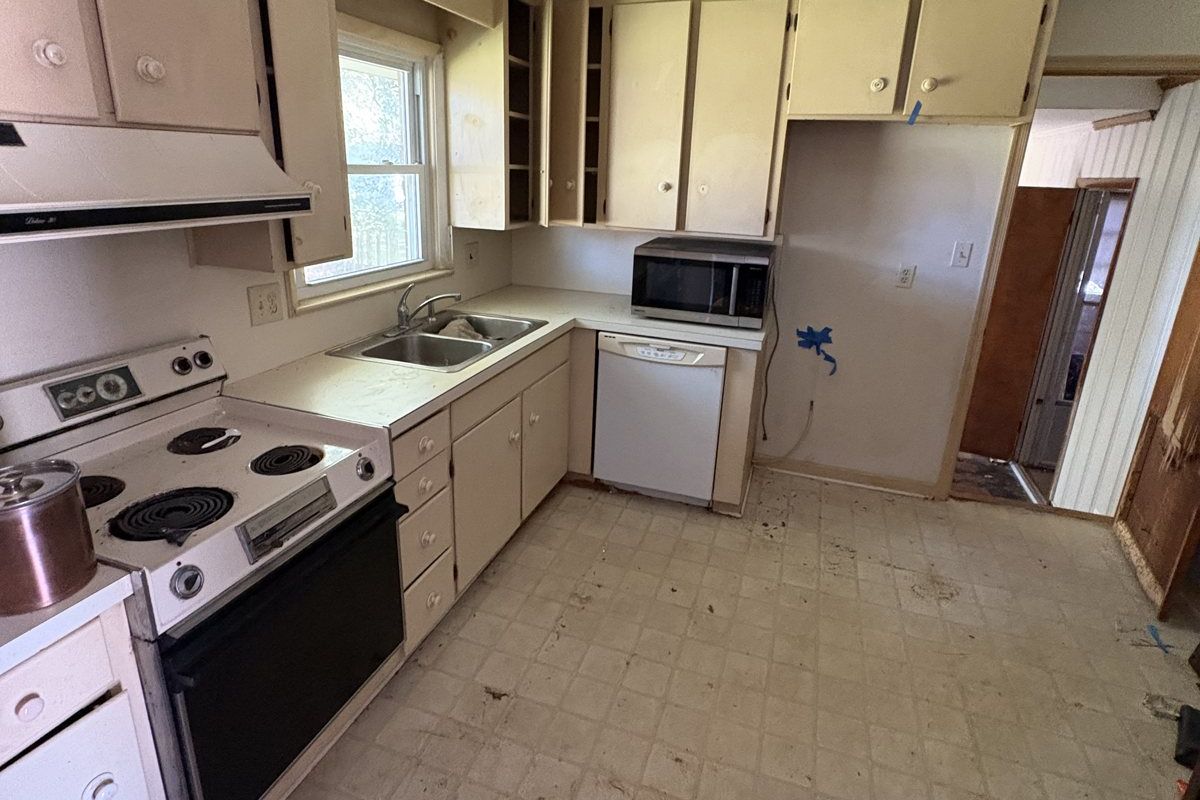
If your house needs work, you usually have three paths: fix it up and list it, list it as it is, or sell it as-is to a buyer like us. None of them is right for everyone. Here’s how we’d think it through.
1. Fix it up, then list it
Repairs and updates can bring a higher sale price, and for some houses that’s the best choice. It also takes money up front, time, and the patience to manage contractors, then showings and the wait for the right buyer.
This path tends to make sense when you have the time and the budget, the work is fairly predictable, and getting the highest retail price matters most to you.
2. List it as it is
An agent can list the house in its current condition. You skip the repairs, but you still prepare for showings, and buyers will factor the work into their offers. Some buyers’ lenders also have condition requirements, which can narrow the pool of buyers for a house that needs a lot of work.
3. Sell as-is to a direct buyer
A direct buyer like us buys the house in its current condition. There are no repairs, cleaning or showings, and you can usually pick a closing date that fits your plans. The trade-off is that the price reflects the work the house needs, so you may walk away with less than you would after a full renovation and a retail sale.
This path tends to make sense when convenience and certainty matter more to you than the highest possible price, or when time, distance or the condition of the house make the other two paths hard.
Questions that help you decide
- How much time do you have before you need to sell?
- Do you have the money and the energy to manage repairs right now?
- How would you feel about showings while you’re living there, or from out of town?
- Which matters more to you: the highest price, or a simpler and more certain sale?
What we’ll do if you call us
We’ll look at the house with you and tell you honestly which path we think fits. If fixing it up and listing it would leave you with more, we’ll tell you that, and we can point you to contractors we trust.
This guide is general information, not legal, tax or financial advice. For advice about your situation, please talk with a qualified attorney, lender or housing counselor.